
Many FIUs have solid legislation, an established mandate and membership in the Egmont Group. On paper, they look robust. Yet their effectiveness scores under Immediate Outcome 6 (IO.6) remain stuck at “Moderate”. Egmont’s Europe II horizontal analysis of IO.2, IO.6, R.29 and R.40 points to one under-discussed reason: the STR reporting process and the technology behind it. Even when STR content is improving, outdated, insecure or inflexible reporting channels create bottlenecks, delays and noise that undermine FIU performance. For FIU directors, this means that modernising the reporting pipeline—processes plus platforms—is now a core IO.6 and R.29 priority, not just a technical back-office issue.
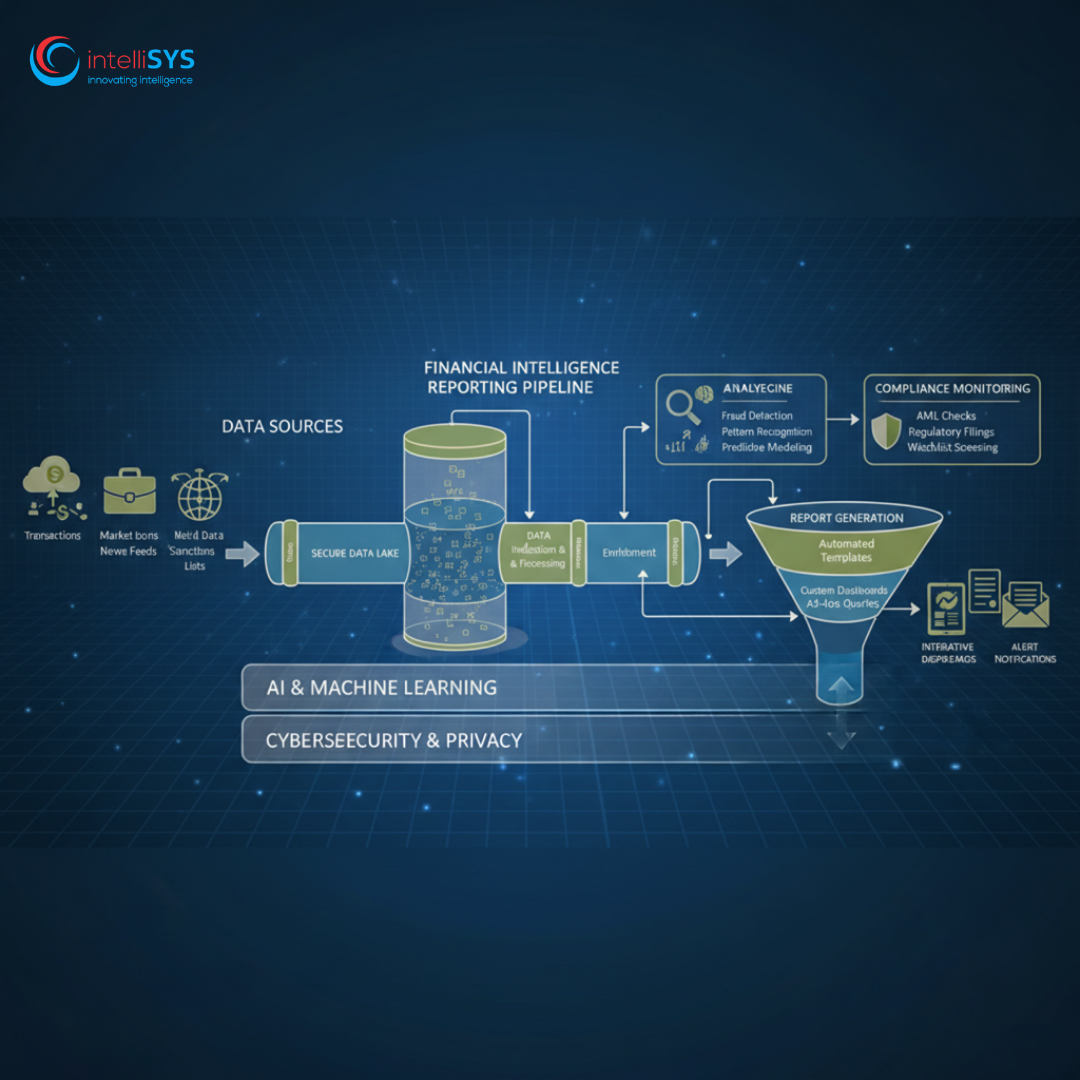
Egmont defines the STR Reporting Process as the systems and procedures through which reporting entities submit STRs to the FIU:
Egmont explicitly distinguishes between:
Both are interdependent but distinct: poor content undermines analysis, while poor channels reduce the value of even good STRs.
The horizontal review across 23 Europe II jurisdictions shows that STR Reporting Process weaknesses are widespread in lower-rated systems:
Egmont concludes that deficiencies in the reporting process contribute directly to jurisdictions remaining at Moderate or Low IO.6 effectiveness, and that a “functional and reliable reporting process is an underlying condition” for higher ratings.
In other words: you will not get to Substantial IO.6 with a broken reporting pipeline, even if your FIU analysts are highly skilled.
The report describes a set of recurring issues in Low and Moderate-effectiveness jurisdictions:
The net effect is a noisy, fragile pipeline: STRs arrive late, via insecure or manual channels, with inconsistent structure and variable quality. Analysts spend time cleaning and normalising data instead of generating intelligence.
Egmont’s R.29 analysis reinforces the same message from a technical-compliance perspective. While 91% of Europe II FIUs are Compliant or Largely Compliant with R.29, those rated Partially Compliant share common problems:
Recommended actions include investment in IT infrastructure and advanced analytical tools, centralised STR handling, and strong confidentiality and security controls.
Taken together, the IO.6 and R.29 findings say the same thing: without modern, adequately resourced FIU platforms, the reporting process will drag overall effectiveness down.
For FIU leaders and system architects, Egmont’s analysis can be translated into a target architecture for the STR pipeline. In a modern FIU (and in FIU360-type environments), the reporting pipeline typically includes the following components:
This eliminates postal/courier submissions and reduces email-based exceptions to true contingency scenarios.
Early validation means analysts receive cleaner, standardised data, improving both operational and strategic analysis.
This aligns with FATF’s emphasis that IO.6 assessment looks at how STRs are collected, accessed and analysed using IT systems, not just their quantity.
This supports the continuous feedback loops Egmont identifies as necessary to improve STR quality and coverage.
Finally, STR intake should feed directly into:
This is where modern FIU platforms like FIU360 provide a comprehensive backbone.
Based on the Egmont findings, a practical transformation roadmap might consist of four phases.
Phase 1 – Baseline assessment
Phase 2 – Design: operating model + technology
This should align with R.29’s call for centralised STR handling, extensive database access and strong confidentiality measures.
Phase 3 – Build and migrate
Phase 4 – Optimise and evidence
This closes the loop between technology, process and observable effectiveness.
Egmont’s work effectively validates the direction of integrated FIU platforms:
For FIUs and donors planning reform programmes, this suggests that investing in the reporting pipeline is one of the highest-ROI interventions available.
Egmont’s Europe II horizontal analysis identifies the STR Reporting Process as a key horizontal factor for IO.6: weaknesses in reporting channels and FIU technology keep many jurisdictions at Moderate effectiveness. Outdated submission methods, rule-based regimes and limited IT capacity generate noisy, late and insecure STR flows. High-performing systems rely on secure e-reporting, robust FIU platforms and continuous feedback loops that turn STRs into timely, usable intelligence.