
AML System Integration: Building a Connected Financial Intelligence Ecosystem

AML System Integration: Building a Connected Financial Intelligence Ecosystem Financial crime investigations depend on information. Yet in many AML/CFT environments, critical data remains separated across banks, Financial Intelligence Units, law enforcement agencies, company registries, sanctions databases, and case management systems. This fragmentation slows investigations, limits visibility, and makes it harder to identify complex financial crime […]
Sanctions Licensing Digital Transformation: From Email-Based Processing to Secure, Auditable Case Management

Sanctions Licensing Digital Transformation: From Email-Based Processing to Secure, Auditable Case Management Sanctions licensing is a highly sensitive government and regulatory function. Authorities must review complex applications, assess legal and policy requirements, manage supporting documents, coordinate internal approvals, and maintain a clear record of every decision. However, many sanctions licensing processes still rely on email […]
AI-Powered Financial Intelligence: How FIUs Can Move from Reactive Reporting to Proactive Risk Detection

AI-Powered Financial Intelligence: How FIUs Can Move from Reactive Reporting to Proactive Risk Detection Financial Intelligence Units (FIUs) are facing an unprecedented challenge. The volume of suspicious transaction reports continues to grow, financial crime schemes are becoming more sophisticated, and expectations from regulators, governments, and law enforcement agencies are higher than ever. While many FIUs […]
EU AMLA: What FIUs and Compliance Teams Must Prepare for Now

EU AMLA: What FIUs and Compliance Teams Must Prepare for Now Europe is undergoing the most significant structural transformation in anti-money laundering supervision in its history. The Authority for Anti-Money Laundering and Countering the Financing of Terrorism — known as AMLA — formally began operations on 1 July 2025, headquartered in Frankfurt am Main, Germany. […]
Financial Intelligence Unit Digital Transformation: Building the Modern FIU
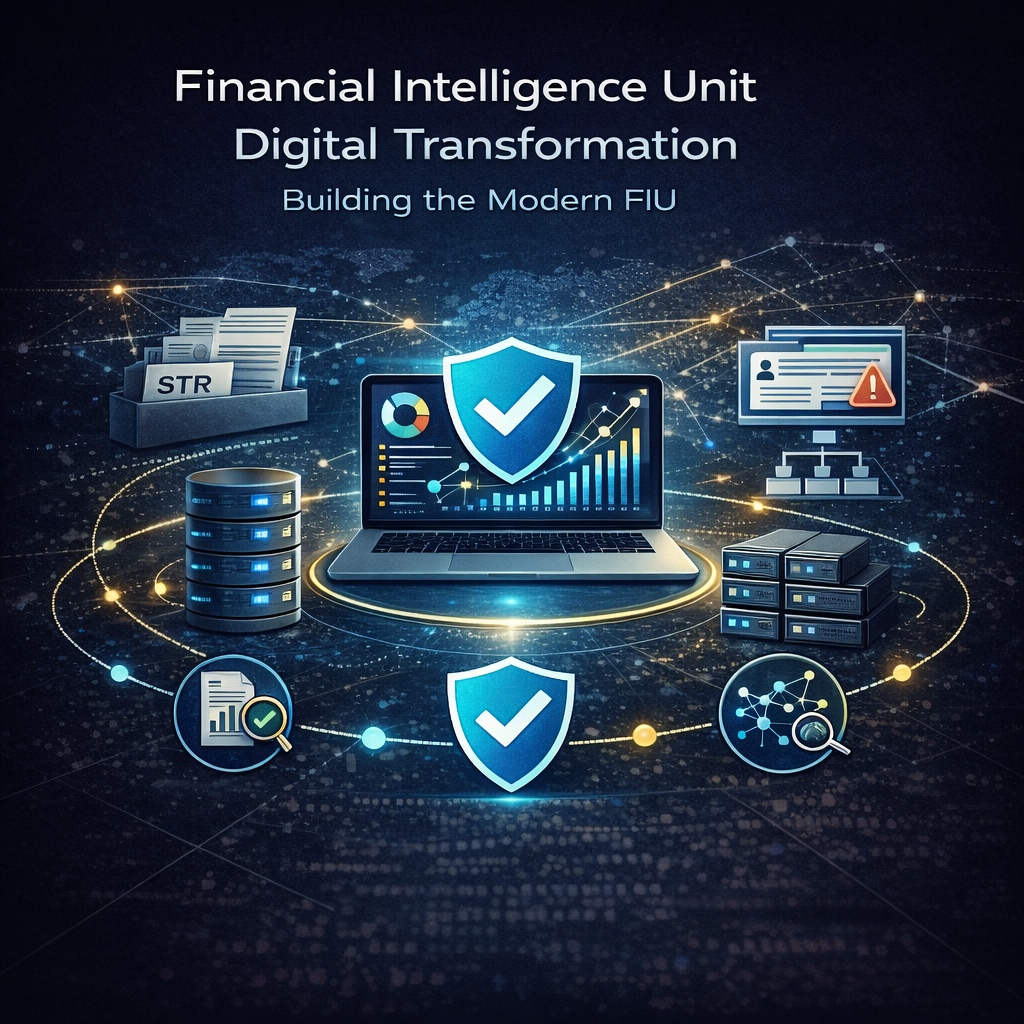
Financial Intelligence Unit Digital Transformation: Building the Modern FIU Financial crime is evolving at a pace that challenges traditional investigative structures. Criminal networks increasingly exploit digital financial services, instant payment systems, cross-border transfers, and complex corporate structures to move illicit funds rapidly across the global financial system. For Financial Intelligence Units (FIUs), this transformation creates […]
Reducing False Positives in AML Transaction Monitoring Using AI and Risk-Based Analytics
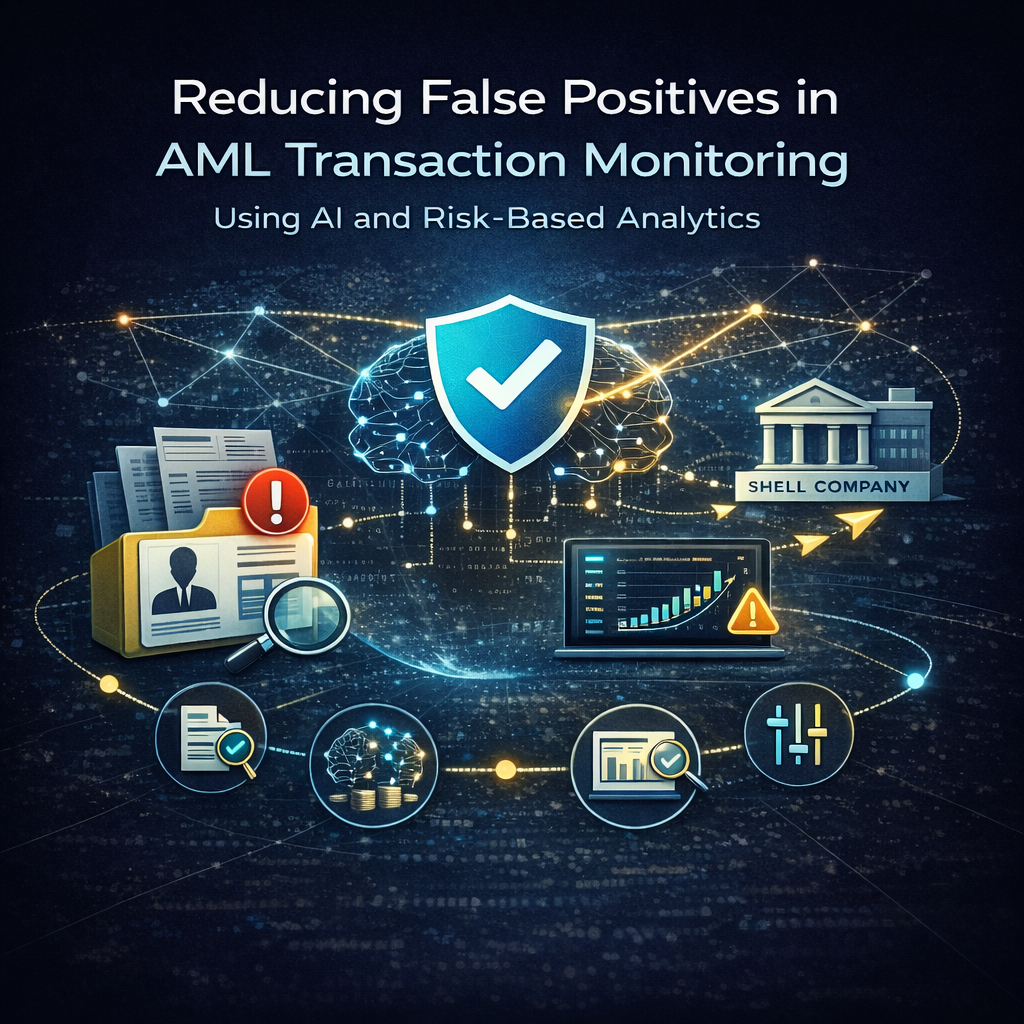
Reducing False Positives in AML Transaction Monitoring Using AI and Risk-Based Analytics Financial institutions around the world face an escalating challenge in Anti-Money Laundering (AML) compliance: the overwhelming number of alerts generated by traditional transaction monitoring systems. These systems often rely on static rules and thresholds that flag suspicious activity but fail to distinguish between […]
Beneficial Ownership Transparency: The Missing Link in AML Investigations
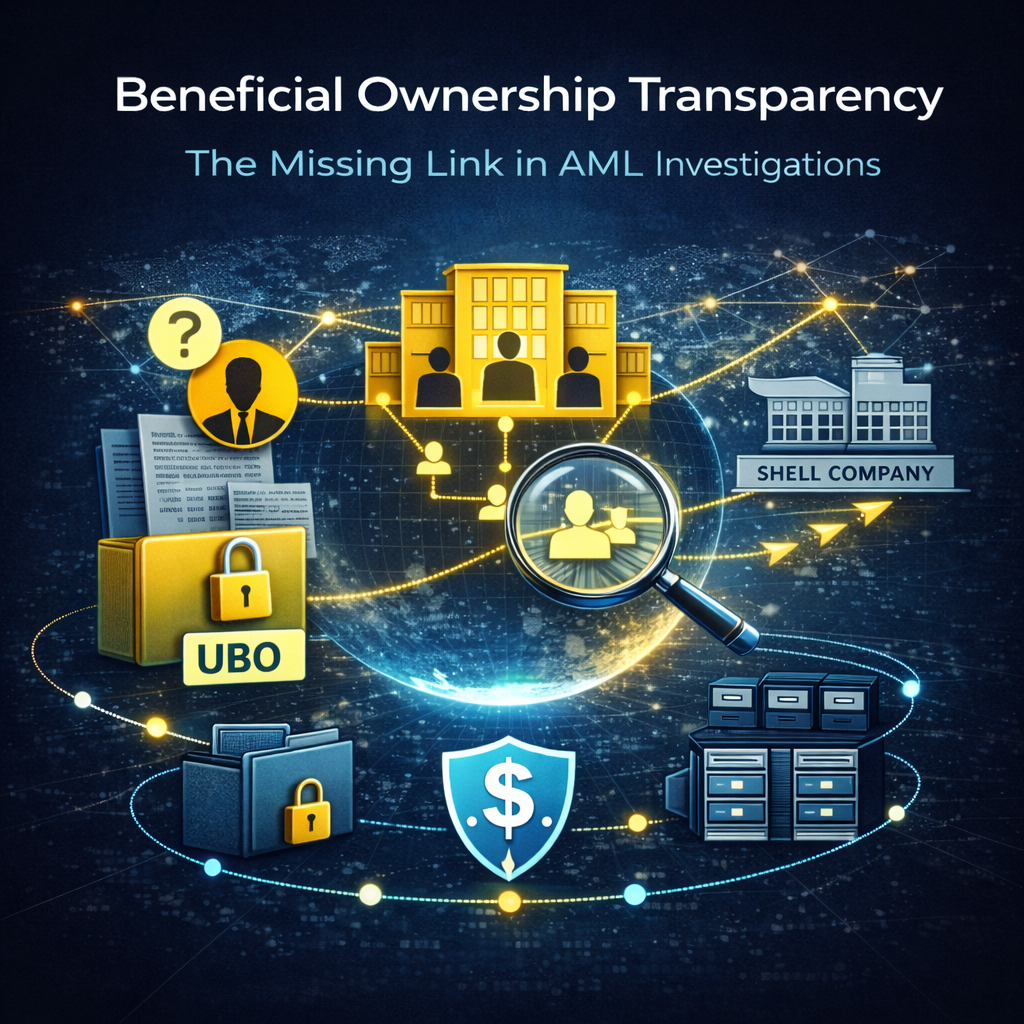
Beneficial Ownership Transparency: The Missing Link in AML Investigations Modern financial crime rarely operates under a criminal’s real name. Instead, illicit funds move through layers of corporate entities, nominee directors, trusts, and offshore structures designed to conceal the true owner of assets. These arrangements are not always illegal; however, when exploited by criminals, they become […]
Cross-Border Asset Tracing: How FIUs Turn Intelligence into Recoverable Assets
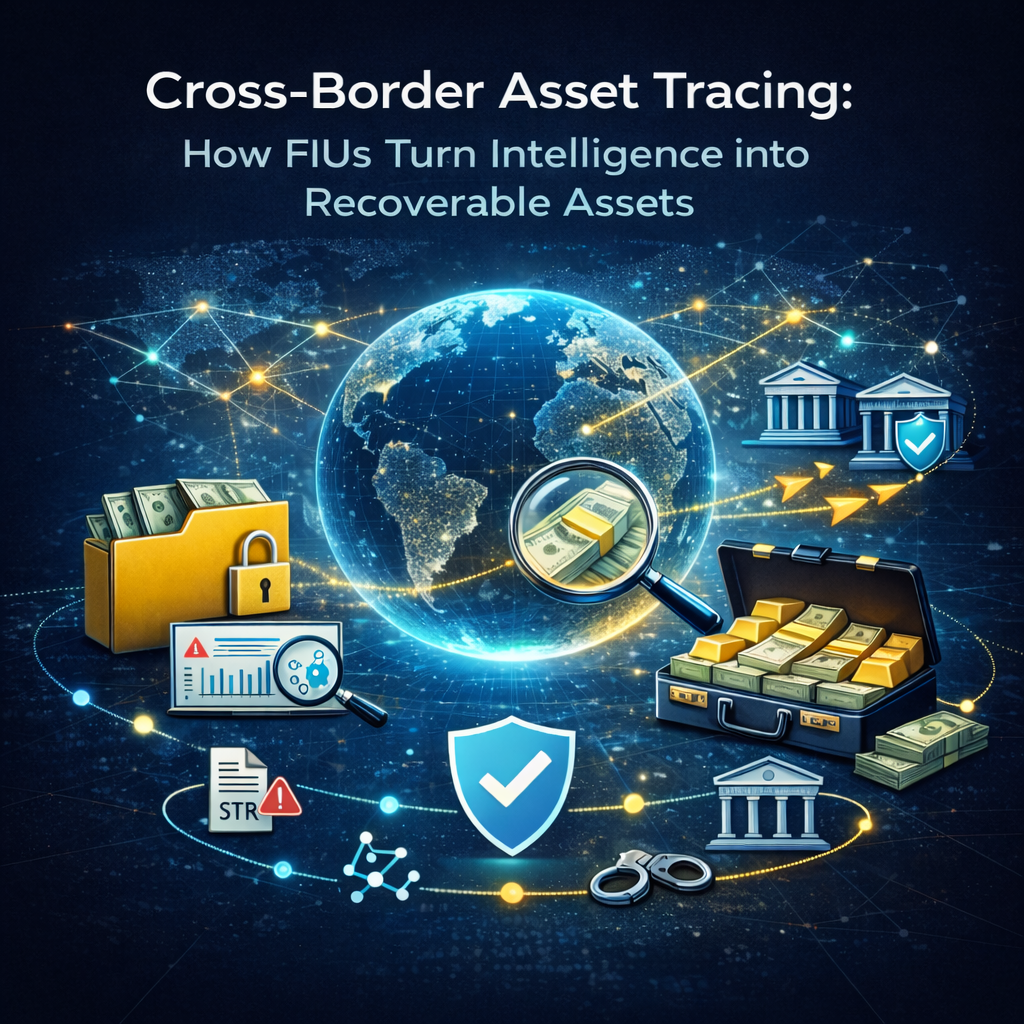
Cross-Border Asset Tracing: How FIUs Turn Intelligence into Recoverable Assets Financial crime has evolved into a highly internationalized ecosystem. Criminal networks move funds through multiple jurisdictions within minutes, using shell companies, correspondent banking channels, trade transactions, and increasingly digital assets. For Financial Intelligence Units (FIUs), this means that effective asset recovery is rarely a domestic […]
AML Model Governance & Validation: How to Stay Audit-Ready
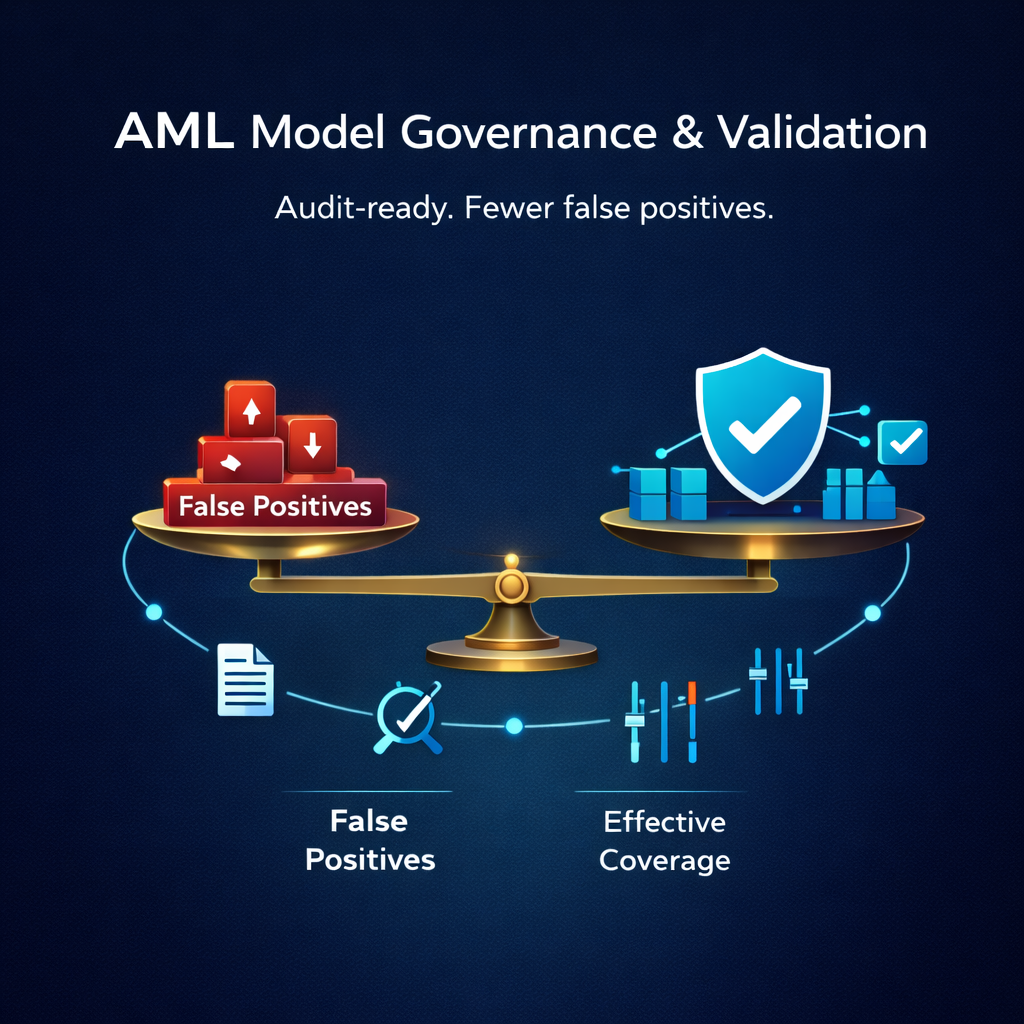
AML Model Governance & Validation: How to Stay Audit-Ready While Reducing False Positives As AML teams modernize transaction monitoring, customer risk scoring, sanctions screening, and behavioral analytics, many institutions discover the same uncomfortable truth: better detection is not the same as defensible compliance. Regulators and internal audit functions increasingly focus on whether automated controls are […]
From Compliance to Effectiveness: A Practical Cooperation Playbook for FIUs
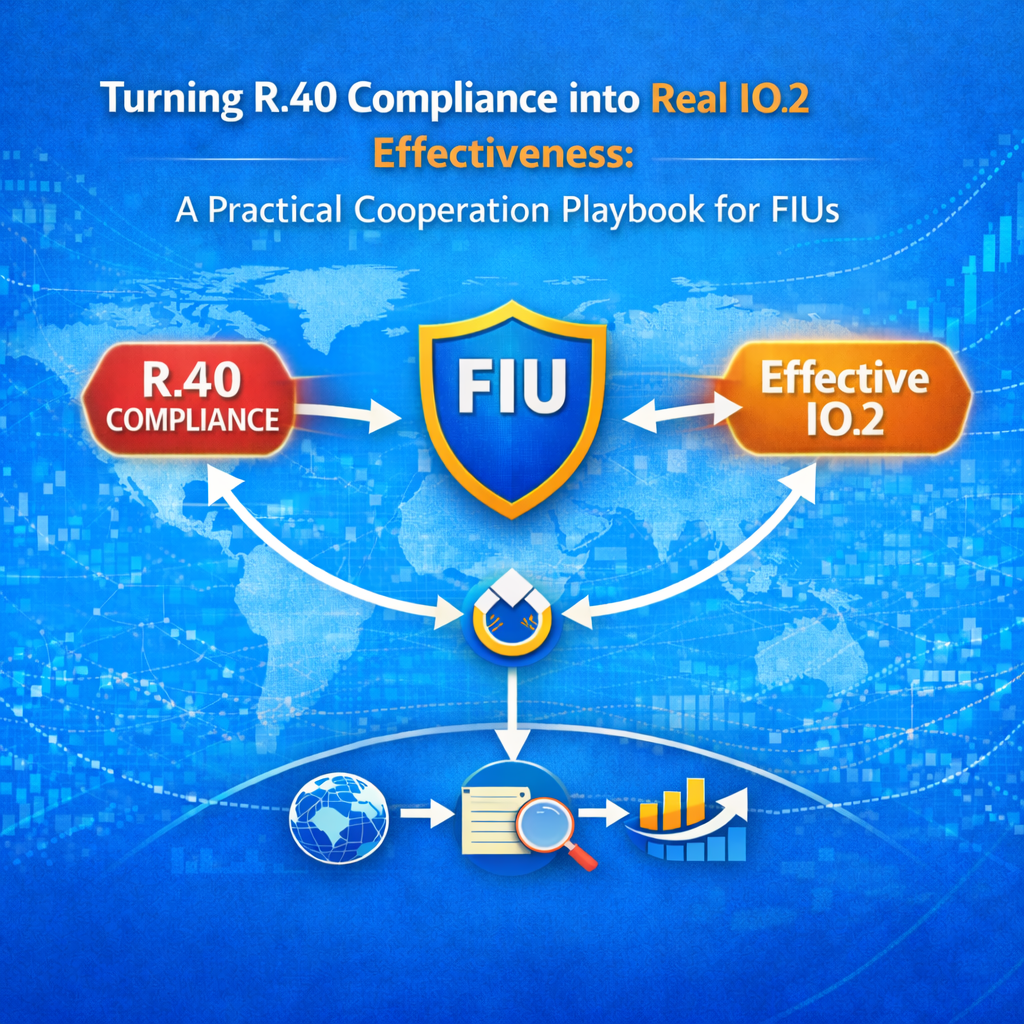
From Compliance to Effectiveness: A Practical Cooperation Playbook for FIUs On paper, Europe II performs strongly on Recommendation 40 (R.40 – International Cooperation). Egmont’s horizontal analysis shows that 87% of jurisdictions are Compliant or Largely Compliant, 13% are Partially Compliant, and none are non-compliant. At the same time, Immediate Outcome 2 (IO.2 – international cooperation), […]
FIU Mandate, Independence and Resourcing: R.29 Lessons from Egmont’s Europe II Review

FIU Mandate, Independence and Resourcing: R.29 Lessons from Egmont’s Europe II Review Financial Intelligence Units sit at the centre of the AML/CFT architecture. FATF Recommendation 29 (R.29) codifies expectations on their mandate, independence, access to information and resourcing. Egmont’s Europe II horizontal analysis of IO.2, IO.6, R.29 and R.40 takes a hard look at how […]
National AML/CFT Coordination: The Common Denominator of High IO.6 Ratings
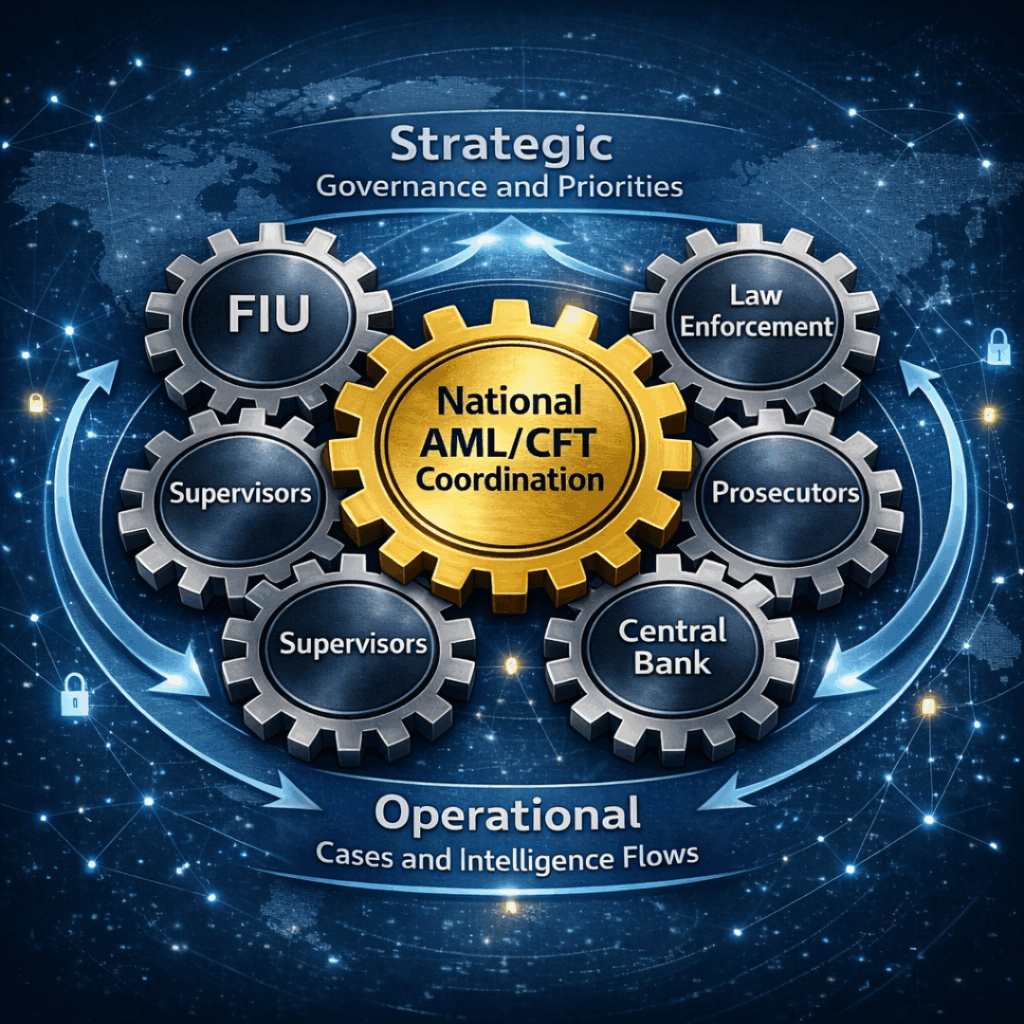
National AML/CFT Coordination: The Common Denominator of High IO.6 Ratings When jurisdictions analyze Immediate Outcome 6 (IO.6), they tend to focus on the FIU itself: STRs, analysts, IT systems, case statistics. Egmont’s Europe II horizontal analysis of IO.2, IO.6, R.29 and R.40 shows a broader picture: national cooperation and coordination across all competent authorities are […]
Fixing the FIU Reporting Pipeline: Processes, Platforms and IO.6 Performance
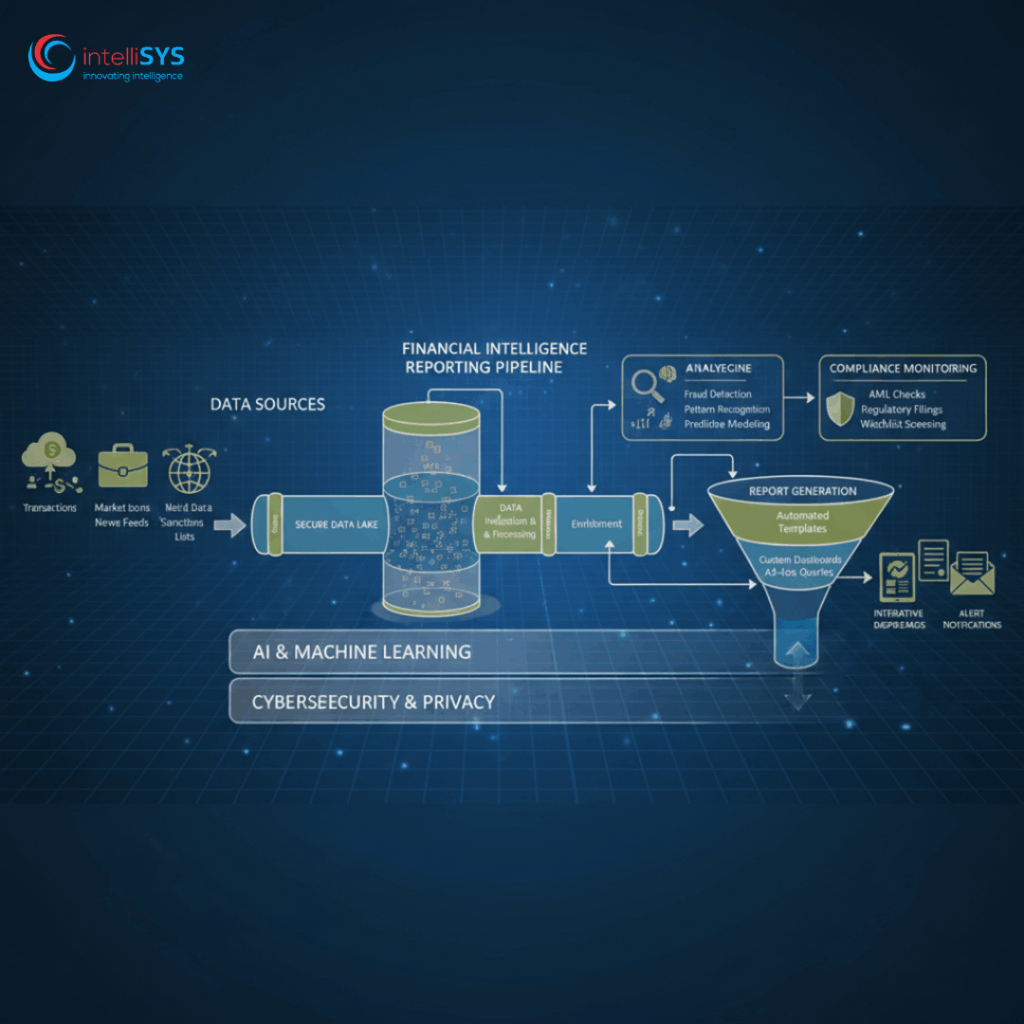
Fixing the FIU Reporting Pipeline: Processes, Platforms and IO.6 Performance Many FIUs have solid legislation, an established mandate and membership in the Egmont Group. On paper, they look robust. Yet their effectiveness scores under Immediate Outcome 6 (IO.6) remain stuck at “Moderate”. Egmont’s Europe II horizontal analysis of IO.2, IO.6, R.29 and R.40 points to […]
From Defensive STRs to Actionable Intelligence: What Egmont’s Europe II Review Tells Us

From Defensive STRs to Actionable Intelligence: What Egmont’s Europe II Review Tells Us Suspicious transaction reports (STRs) are the primary fuel for financial intelligence. If that fuel is contaminated—poorly targeted, incomplete or purely defensive—no FIU platform, however sophisticated, can consistently produce high-value intelligence. Egmont’s Europe II horizontal analysis of IO.2, IO.6, R.29 and R.40 makes […]
Strategic Analysis and Typologies: The IO.6 Accelerator Most FIUs Are Under-Using

Strategic Analysis and Typologies: The IO.6 Accelerator Most FIUs Are Under-Using When FIUs think about Immediate Outcome 6 (IO.6), they often focus on STR volumes, case numbers and dissemination statistics. Strategic analysis is treated as a “nice to have” publication activity—useful for awareness, but not core to effectiveness. Egmont’s Europe II horizontal analysis takes a […]
Law-Enforcement Use of FIU Intelligence: The Decisive Factor in IO.6 Ratings

Law-Enforcement Use of FIU Intelligence: The Decisive Factor in IO.6 Ratings The Egmont Europe II horizontal analysis of IO.2, IO.6, R.29 and R.40 arrives at a clear conclusion: the extent to which law-enforcement agencies (LEAs) actually use FIU disseminations is the decisive horizontal element in IO.6 evaluations. Across 23 jurisdictions, the study shows that higher […]
Why IO.6 Drags Many Jurisdictions Down: Lessons on Using Financial Intelligence Effectively

Why IO.6 Drags Many Jurisdictions Down: Lessons on Using Financial Intelligence Effectively Immediate Outcome 6 (IO.6) asks a hard question: is financial intelligence actually used to detect, investigate and prosecute ML/TF, and to trace and confiscate proceeds? In the Egmont Europe II horizontal analysis, IO.6 is where most jurisdictions struggle. Out of 23 FIUs in […]
Egmont’s New Horizontal Analysis: What FIUs Must Do to Turn Technical Compliance into Real AML/CFT Effectiveness

Egmont’s New Horizontal Analysis: What FIUs Must Do to Turn Technical Compliance into Real AML/CFT Effectiveness The Egmont Group has released a new study, “Enhancing the effectiveness of the AML/CFT mechanism through a horizontal analysis of Mutual Evaluation Reports”. The report looks across 23 jurisdictions in the Europe II Regional Group (largely MONEYVAL countries), focusing […]
How Generative AI Transforms AML Investigations and FIU Case Backlogs

How Generative AI Transforms AML Investigations and FIU Case Backlogs Financial Intelligence Units and AML teams in banks and fintechs are being asked to do more with roughly the same resources. Reporting volumes are increasing, typologies are more complex, and regulatory expectations around effectiveness are rising. Yet investigators still spend a disproportionate amount of time […]
From STRs to Strategy: How FIU360 Supports the Full FIU Intelligence Lifecycle

From STRs to Strategy: How FIU360 Supports the Full FIU Intelligence Lifecycle For a modern FIU, success is not only about receiving reports; it is about transforming those reports into outcomes: investigations, prosecutions, asset recovery and policy change. That journey is a lifecycle—data intake, analysis, case development, dissemination, feedback and strategic learning. FIU360 is designed […]
Inside FIU360: Data Collection, Enrichment and AI Analytics in One FIU Platform

Inside FIU360: Data Collection, Enrichment and AI Analytics in One FIU Platform For many FIUs, the challenge is not the lack of data—it is fragmentation. Reporting portals, legacy databases, Excel files and separate analytics tools create blind spots and duplication. Investigators spend time reconciling data instead of analyzing it. FIU360 was designed to break down […]
FIU360: The End-to-End Financial Intelligence Platform for Modern FIUs

FIU360: The End-to-End Financial Intelligence Platform for Modern FIUs Financial Intelligence Units are at the core of every national AML/CFT framework. They receive vast volumes of STRs, CTRs and other disclosures, enrich them with external data, and transform them into operational and strategic intelligence for law enforcement and policymakers. At the same time, FIUs must […]
Building an Integrated AML Compliance Architecture: Breaking Down Data Silos

Building an Integrated AML Compliance Architecture: Breaking Down Data Silos Most financial institutions did not design their compliance stacks from scratch; they accumulated them over time. Each new regulation, product line, or jurisdiction often brought its own system – a separate KYC tool here, a standalone transaction monitoring engine there, and an isolated sanctions screening […]
End-to-End KYC Automation: From Onboarding to Ongoing Monitoring

End-to-End KYC Automation: From Onboarding to Ongoing Monitoring Know Your Customer (KYC) is no longer a one-time onboarding task; it is a continuous regulatory and risk-management obligation. Financial institutions are expected to understand who their customers are, how they behave, and how their risk profile evolves over time. Customer due diligence (CDD) and ongoing monitoring […]
The Future of Sanctions Screening: AI-Driven Accuracy, Fewer False Positives, Stronger Controls

The Future of Sanctions Screening: AI-Driven Accuracy, Fewer False Positives, Stronger Controls Sanctions risk has become one of the most sensitive areas of financial crime compliance. In an environment shaped by geopolitical tensions, rapid regulatory changes, and aggressive enforcement actions, financial institutions cannot afford weaknesses in their sanctions screening frameworks. Fines for sanctions breaches can […]